
We talk a lot about the technology behind contactless vital signs — the signal processing, the algorithms, the peer-reviewed validation studies. But technology only matters if it works for the people who need it most. So we went to find out.
In early 2026, Circadify conducted a community field trial in Uganda. We put our smartphone-based rPPG vital sign monitoring directly into the hands of community members — not clinicians, not researchers, just everyday people — and asked them what they thought. Their responses were more compelling than any accuracy metric we could publish.
"We don't have money, we don't have hospital, but that app trusts us to save and to see the blood pressure." — Field trial participant, Uganda
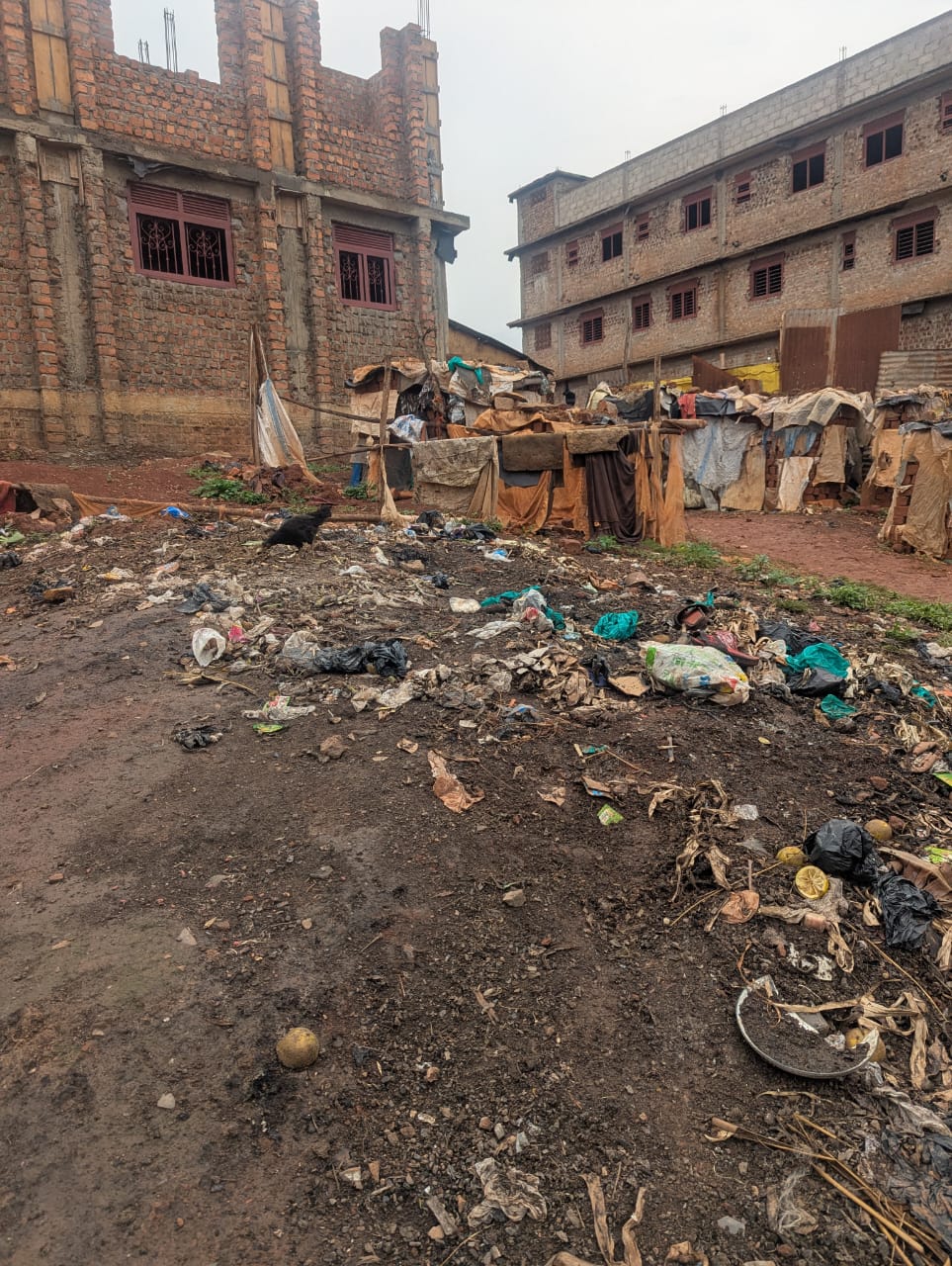
The Problem These Communities Live With Every Day
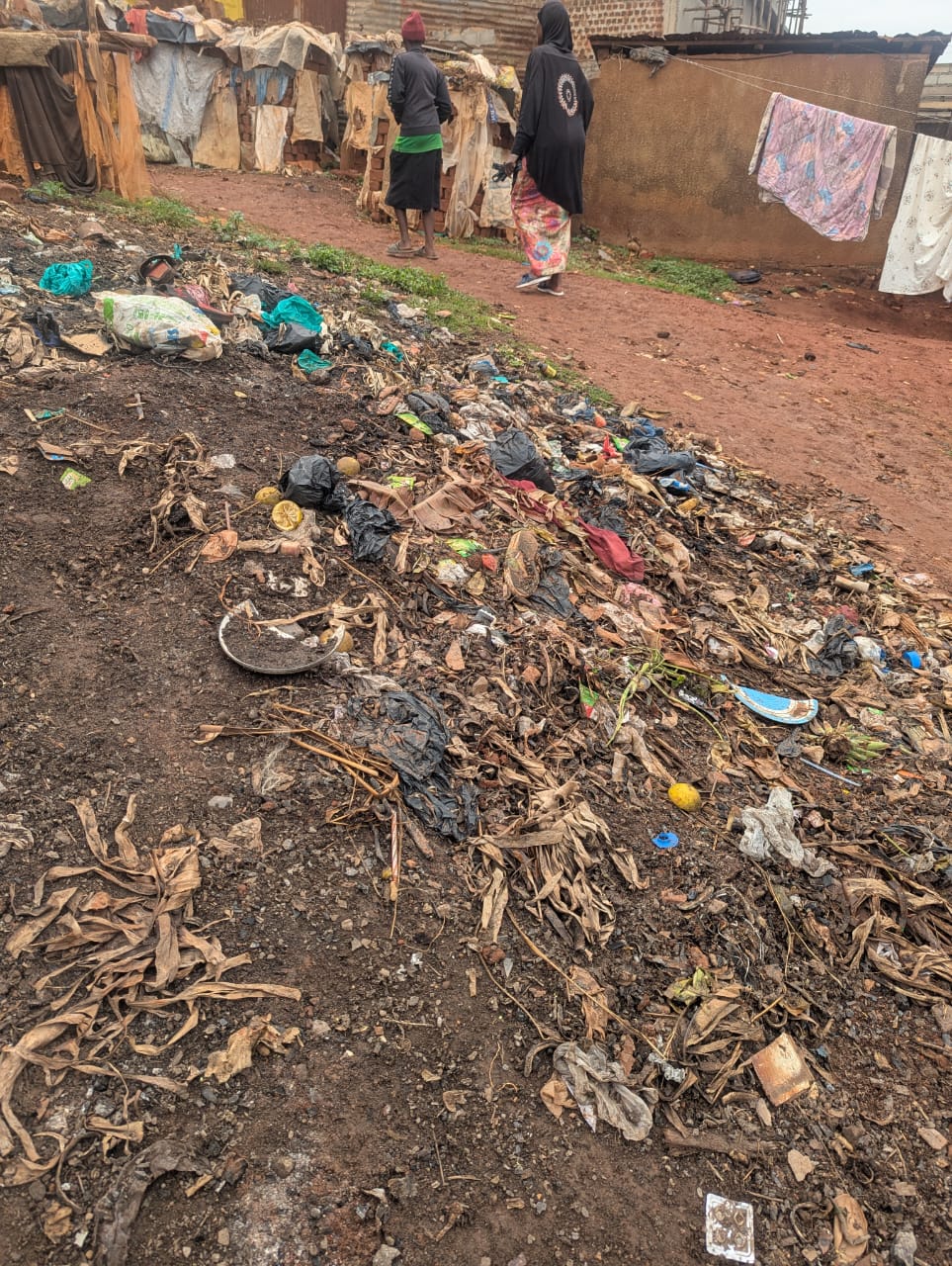
Sub-Saharan Africa faces a well-documented healthcare access crisis. The World Health Organization estimates a shortage of over 4 million health workers across the continent. Rural communities bear the worst of it — clinics are far away, roads are often impassable, and the cost of transport alone can be prohibitive for families living on a few dollars a day.
The people we spoke with in Uganda described this reality in plain terms:
- "The facilities are few in this community, so it takes a lot of time there when you are at the facilities because there are many people."
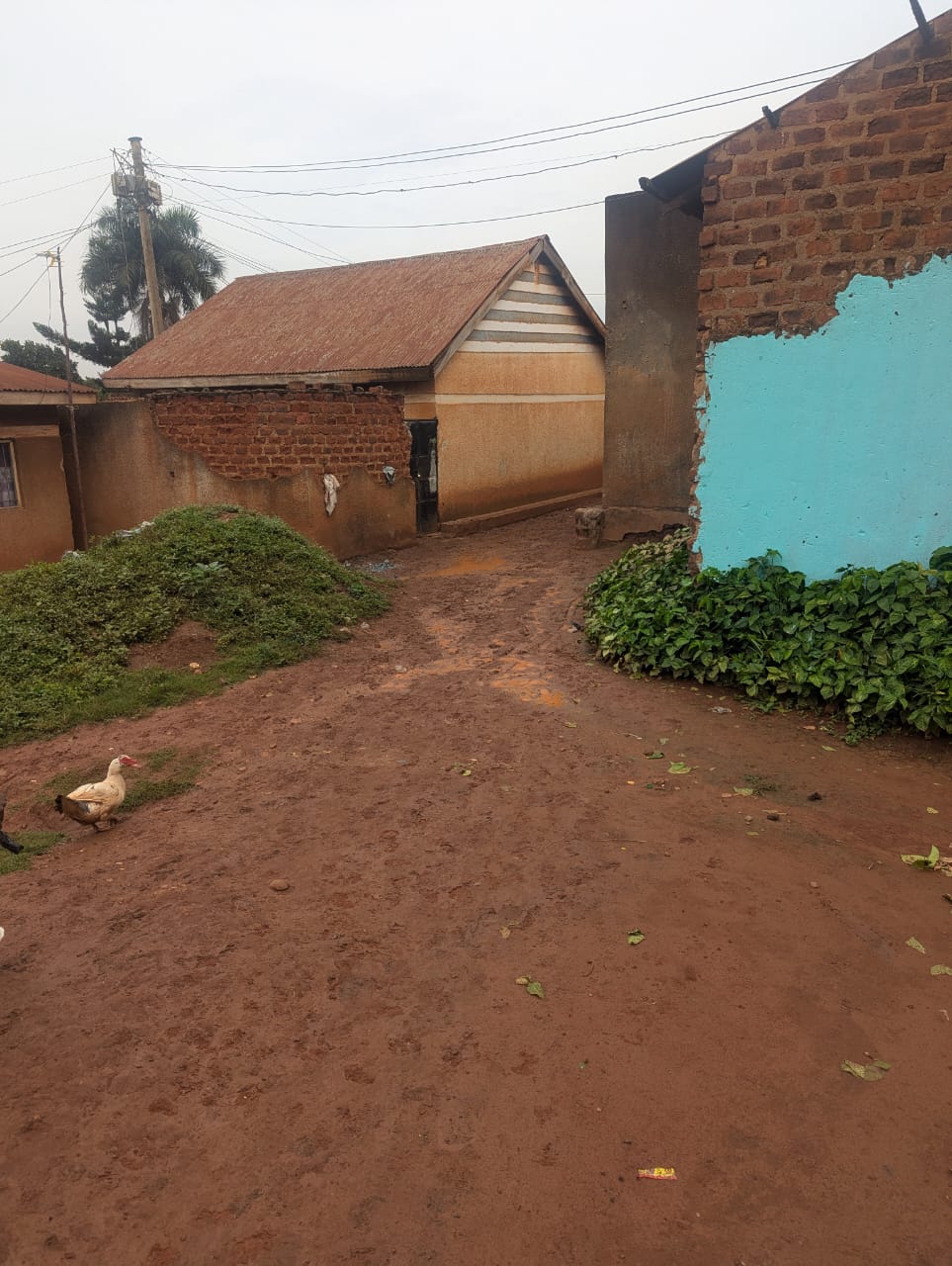
- "From here, from my home here, to the hospital, we have to prepare so much transport. And the roads are not good."
- "I'm living in a rural urban area where roads are not okay, especially when it comes to rainy seasons."
- "The procedures take long, the procedures are so, so, so tiresome."
These aren't abstract statistics. They're descriptions of daily life from people who have internalized the fact that checking your blood pressure means losing a day of work and spending money you don't have.
Research supports what these community members are saying. A 2022 review published in Frontiers in Digital Health found that mobile health tools used by community health workers in Sub-Saharan Africa showed high acceptability rates, but noted that limited infrastructure — internet connectivity, electricity, and equipment — remained the primary barrier to adoption (Lund et al., Frontiers in Digital Health, 2022). A separate systematic review by Braun et al. (2013) found that the majority of mHealth studies involving community health workers were conducted in rural Sub-Saharan Africa, reflecting both the need and the opportunity in the region.
| Barrier to Healthcare Access | Traditional Clinic Visit | Smartphone-Based rPPG |
|---|---|---|
| Travel time | 1-4 hours each way | None (at home) |
| Transport cost | $2-10 per visit (significant in low-income settings) | None |
| Wait time at facility | 1-3 hours average | Under 60 seconds |
| Equipment required | Blood pressure cuff, pulse oximeter, trained staff | Smartphone with camera |
| Availability | Limited clinic hours, staff shortages | 24/7, anywhere with a phone |
| Result turnaround | Same day (if equipment available) | Immediate (60 seconds) |
What People Actually Said After Using It
We didn't coach anyone. We didn't script responses. We handed people a phone, walked them through a 60-second scan, and asked what they thought. The consistency of their reactions was striking.
On speed and simplicity:
- "Within one minute you can know about your blood pressure. This technology was very quick, it saves time, it saves money."
- "It was very simple, you get faster and faster and right now you can see these are my results. I save my time, this app is very good."
- "It only took me one minute. It's easy, quick."
On cost savings:
- "It can save your transport budget, by the way. Those who are very poor with the clinics, they can use it."
- "Many people will want to try this technology because they have smartphones and the data used is too much small. When you compare the money you are going to take in the hospital, even the transport bill."
- "You don't need to have transport. You only need your mobile phone and maybe data. Nowadays, data is not that much expensive."
On accessibility for elderly and non-literate users:
- "This technology is cheap to maintain. It saves time and it's easy for those old guys — these old mothers and fathers who don't have energy to go to the hospital."
- "Even those ones who are not educated can use it because it's very, very easy to handle."
- "I should recommend it to old people, young children, even us, youth can use it. It's easy, it's fast, it's reliable."
On what it means for their community:
- "I know it is going to work for us, for me, for my family and for the people of my community."
- "Not only my family members, but all the people in the society."
- "Our doctors cannot provide the better service we always expect from them. So, I thank God that these people have managed to come up with a new technology which is very easy."
That last quote sticks with us. The gap between what healthcare systems in low-resource settings can deliver and what communities actually need is enormous. Smartphone-based vitals monitoring doesn't replace a doctor. But it fills a space that is currently empty for millions of people.
Why Smartphones Change the Equation
The reason rPPG matters in settings like rural Uganda isn't the sophistication of the algorithm. It's the distribution mechanism. Smartphones are already there.
Mobile phone penetration in Sub-Saharan Africa reached 46% in 2023, according to the GSMA, with smartphone adoption growing rapidly year over year. In many rural communities, a phone is the single most advanced piece of technology a household owns. Turning that phone into a basic health screening tool — without requiring an internet connection for the scan itself, without any additional hardware — changes the math on healthcare access entirely.
One participant put it simply: "It gives you peace to have access to this. You see, I'm just using my mobile phone."
A systematic review in PLOS ONE examining health worker mHealth utilization found that community health workers were the most common users of mobile health technology across 14 studies, with the majority of implementations occurring in rural African settings (Agarwal et al., PLOS ONE, 2016). The review noted high acceptability among frontline workers and the populations they serve.
What Comes Next
Field trials like this one don't prove everything. They're a starting point. What they do demonstrate is something that's hard to capture in a lab: whether real people, in real conditions, with real constraints on their time and money, find the technology useful enough to actually want to use it.
Every person we spoke with in Uganda said yes. Several of them said they'd already told family members about it. One woman told us she'd rather use the app than go to the clinic — not because she doesn't trust her doctor, but because she has kids at home and things to do and the clinic takes all day.
That's not a data point you'll find in a peer-reviewed paper. But it might be the most important signal we've collected so far.
We're continuing to expand field testing across additional communities and health settings. If you're working in global health, community health programs, or mHealth deployment, we'd welcome the conversation.
Frequently Asked Questions
What is rPPG and how does it work on a smartphone?
Remote photoplethysmography (rPPG) uses a smartphone's front-facing camera to detect subtle color changes in the skin caused by blood flow. From a short video scan, it calculates heart rate, respiratory rate, and blood oxygen levels without any wearable or additional hardware.
Can people in rural areas with limited tech literacy use this?
Yes. During our Uganda field trial, participants consistently described the process as easy enough for elderly community members and those without formal education to complete independently. Multiple participants specifically noted that "even those who are not educated can use it."
How long does a contactless vital sign measurement take?
A single measurement takes approximately 60 seconds. Participants simply face the smartphone camera and the app handles the rest.
What vital signs can be measured with a smartphone camera?
Current rPPG technology can measure heart rate, blood oxygen saturation (SpO2), respiratory rate, and blood pressure estimates using only a standard smartphone camera.
Related Articles
- What is rPPG Technology? — A deep dive into how remote photoplethysmography works and the research behind it.
- Contactless Blood Pressure Measurement — How camera-based technology is approaching one of medicine's most important vital signs.
- rPPG Accuracy Across Diverse Populations — Research on how rPPG performs across different skin tones and demographics.